How to Ride Gravel in Rain and Mud: A Complete Skills Guide
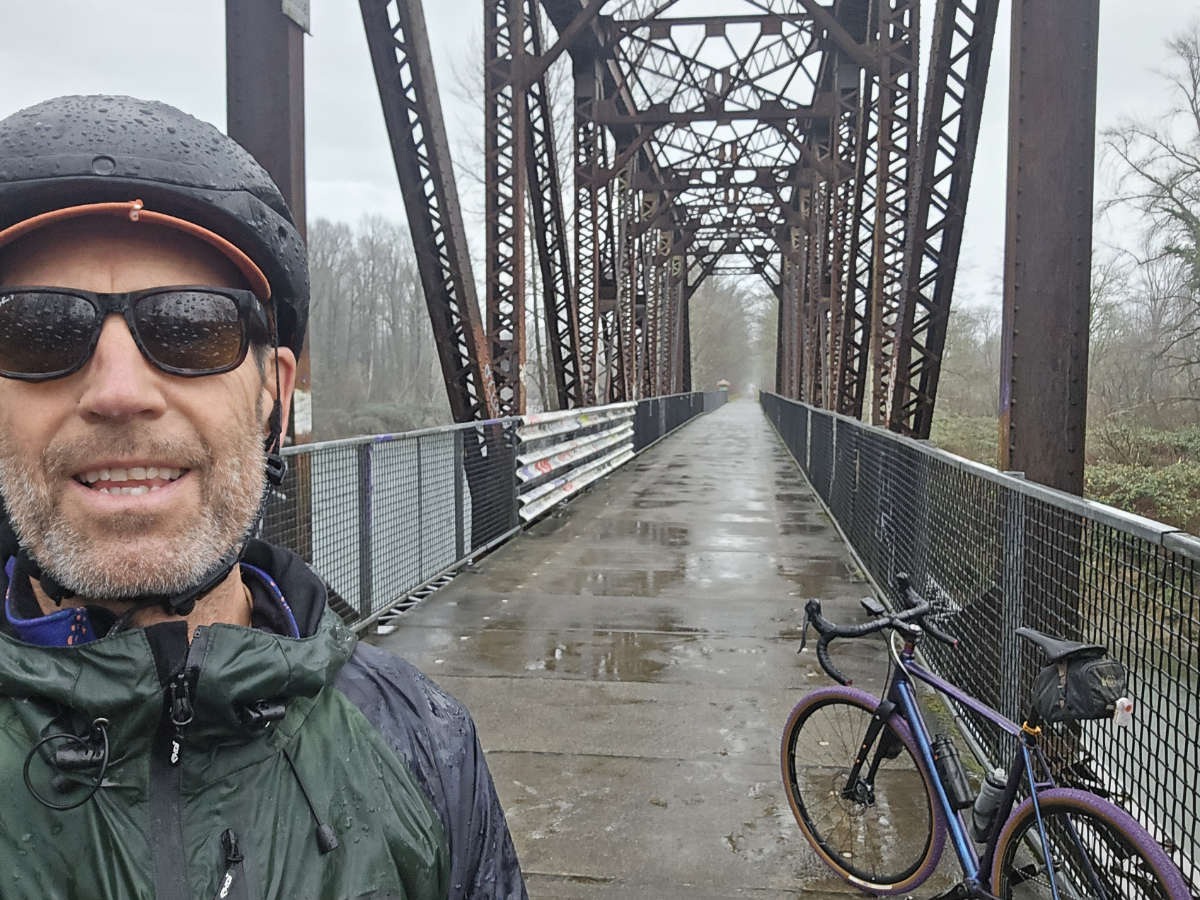
Becoming a local bike shop mechanic wasn't what I set out to do, but damn if I didn't sort of become one! Way back in the day (2021 ish, actually), I didn't know diddly about working on my own bike. I was at the mercy of whatever shop was close, or open, or I wasn't mad at. Of course a little diy bike mechanic action was possible, but the bar was low.
No way would I think it possible that I could trust myself to adjust my gears, or bleed my brakes, or true my wheels, let alone build a bike from the ground up. I even learned how to shoot hydraulic fluid all over the garage, and the porch, and the back patio. Multiple times. You can too!

Becoming a local bike shop mechanic wasn't what I set out to do, but damn if I didn't sort of become one! Way back in the day (2021 ish, actually), I didn't know diddly about working on my own bike. I was at the mercy of whatever shop was close, or open, or I wasn't mad at. Of course a little diy bike mechanic action was possible, but the bar was low.
No way would I think it possible that I could trust myself to adjust my gears, or bleed my brakes, or true my wheels, let alone build a bike from the ground up. I even learned how to shoot hydraulic fluid all over the garage, and the porch, and the back patio. Multiple times. You can too!
The beginning...
I wanted to bail on it and build a new gravel bike as a project. This was crazy because it was really hard to find pretty much any bike part. It was a mess.
It was the beginning of summer and I had a lot of gravel to ride, so I figured that I could just find a new frame and transfer the components over and it wouldn't be too expensive.
During the research I stumbled upon a magnesium all-road frame from a company called VAAST, the A/1 model in green/red. A lot of good things were said about these frames and I thought it would be way more interesting to build up my own mystery machine than buy yet another one of the big names, and I was right. Couldn't be happier about the finished product and the ride.
LBS Shop owner Jackson - MTB HQ
Getting there was quite a ride though. The only components that came over were the Ultegra shifters/brakes. Finding the parts at the height of the supply chain debacle was a slow and time-consuming slog. An article on mullets on bikepacking.com and decided to go that route with a 1x set up and a 50 tooth cassette. I couldn't find the 50 toother at first so I got a 46er and now run both on different wheel sets. Had to add a Wolf Tooth Goat Link to reach the big 50 but it works like a charm.
What this exercise taught me was the huge value of a "l.b.s." - a local bike shop mechanic. My savior is and was Jackson at a shop in Snoqualmie, Wa. He has been a miracle worker in the parts and solution department and still is. His patience has been really appreciated, even though he's a mtb guy and I'm as gravel guy - we're able to reach across party lines to get the job done. But then there's the $$ part - this stuff adds up quick, it's often hard to find, and service can be backed up work weeks. Thus, the thought of evolving into my own local bike shop mechanic kept sounding better and better.Anyway, that was way off, there are few real standards, I mean what the hell is a T-47 bottom bracket? Turns out that I needed one, and it just went on from there for a year.
A few years back a small bike shop magically appeared about 100 yards from my house and I was probably one of the first 5 customers.
The long and short of it - I am a huge fan of Jackson, the manager/head mechanic, he has been so patient and generous with my many visits. I learned at least 2 things every time he spoke.
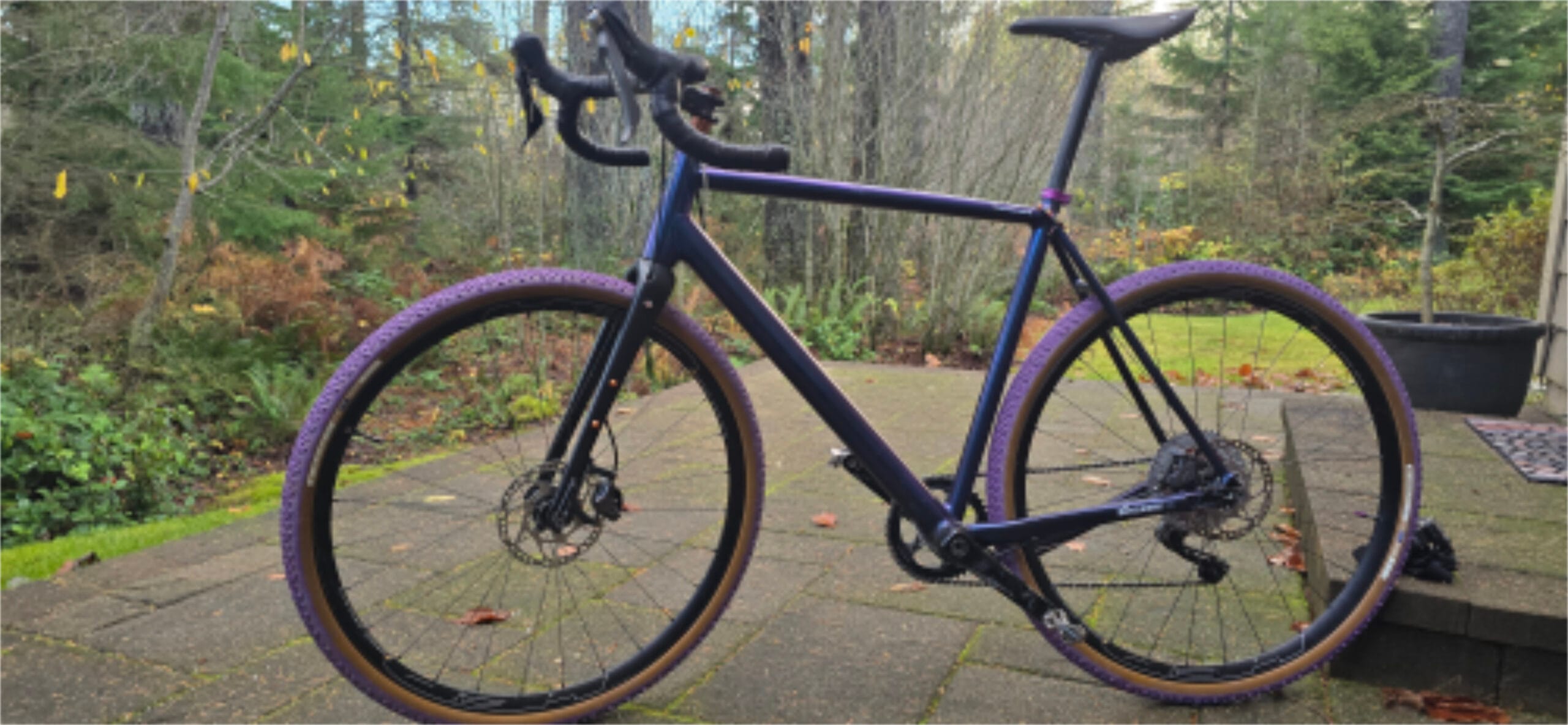
After a lot of consideration, I decided to ressurect the original CAADX frame by taking it to a welder to fill in the trench, then I sanded the frame, painted it flat black and eventually found most of the parts that I really wanted, but it's a bit of a Frankenstein. It's pretty wicked for a cross bike now, can't wait to race it again.
Quiver-wise, I now have 2 awesome bikes that I built, one for cx racing and one for gravel. I even built a back wheel and raced on it without dying. Offers to buy his lunch from the Mexican joint across the street often are greeted with a Yes. It's like going into a fly shop to ask for hot spots, you have to buy something.
With a lot of (continuing) help from my guy Jackson, I have become my own local bike shop mechanic and that's pretty cool, I don't wait for shit, I just fix it myself. These are things that you can do yourself:
- Install a drivetrain
- Adjust gears
- Install and bleed hydraulic brakes (top and bottom)
- Build a wheel (including truing and de-flaring)
- Fix a bent derailleur
- Install tubeless tires
- Customize the shit out of it
- Be self-sufficient out in the sticks
- Custom paint
- Ride faster