
SBT GRVL is the hardest gravel race in Colorado and one of the defining events of the North American gravel calendar. Set in the mountains around Steamboat Springs, the event combines altitude, sustained climbing, and high-speed descents on fast dirt roads with some of the most spectacular scenery in the sport. Here’s everything you need to know about SBT GRVL 2026.
What Is SBT GRVL?
SBT GRVL (Steamboat Gravel) was founded in 2019 and has quickly become one of the most respected events in North American gravel racing. Unlike flatter events like Unbound, SBT is a mountainous race — the primary distance is 144 miles with roughly 11,000 feet of climbing, all at elevation between 6,700 and 10,000 feet. There’s also a 36-mile option for riders who want the Steamboat experience without the full day in the saddle.
The race is a Life Time Grand Prix event, which means the professional field attracts the best gravel riders in the world. For amateurs, SBT GRVL offers a rare opportunity to race on the same course as the pros and to test yourself against the benchmark times that define the sport’s elite. The finish in downtown Steamboat is one of the most festive in the sport.
SBT GRVL 2026: Dates, Location, and Entry
SBT GRVL 2026 takes place in August in Steamboat Springs, Colorado. Registration opens in the fall of the prior year through the Life Time Events website. The 144-mile distance sells out quickly; the 36-mile option typically has more availability. Life Time Grand Prix athletes receive priority access. Entry fees run approximately $250–$350 for the full distance including timing, SAG support, and aid stations.
Book your lodging immediately when registration opens — Steamboat Springs is a resort town and fills up during race weekend. Several local rental properties and the main downtown hotels get booked a year in advance by returning participants. Consider arriving Friday for packet pickup and departing Monday to avoid the post-race scramble. Check the race calendar for exact dates and entry links when they go live.
Course Breakdown: What to Expect on Race Day
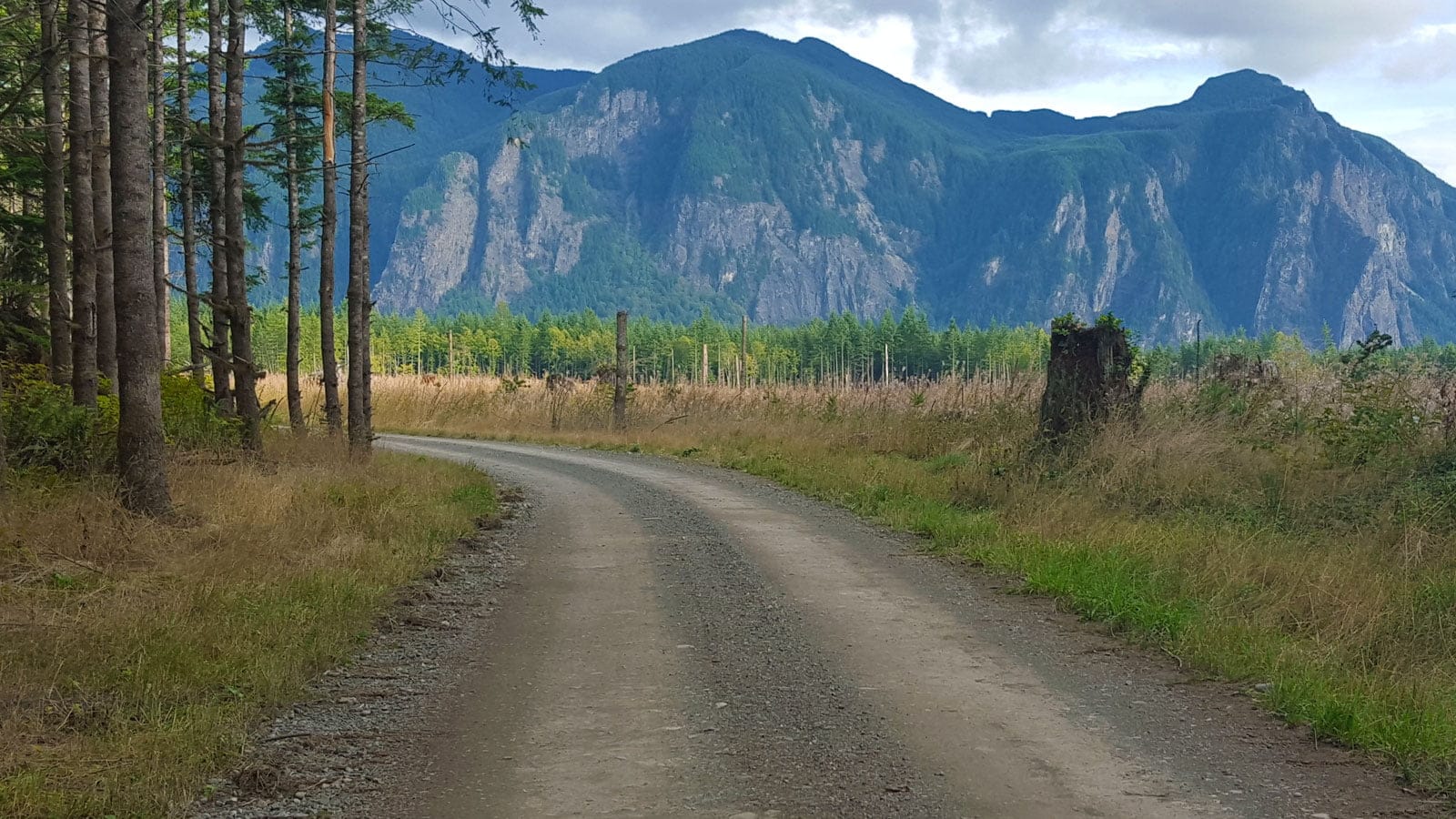
The SBT GRVL 144-mile course begins and ends in downtown Steamboat Springs and takes riders through a loop covering the surrounding mountains and valleys. The course is primarily USFS and county gravel roads — fast and well-maintained in most sections. The climbing is relentless: no single climb exceeds 2,500 feet, but the course never truly flattens out, and the altitude makes every pedal stroke harder than it would be at sea level.
The critical section of the course is the Buff Pass climb — an 18-mile ascent at altitude that crests above 10,000 feet. This comes in the first half of the race, which means you hit the hardest climbing before you’re truly warmed up. Most riders who blow up at SBT do it by going too hard on Buff Pass. The back half of the course is faster and more technical with longer descents on looser gravel.
Athletes to Watch at SBT GRVL 2026
The SBT GRVL pro field consistently features the top names in gravel racing. Keegan Swenson has been a dominant force at mountainous events like SBT — his background in ski racing and XC mountain biking translates directly to the climbing-heavy Colorado course. On the women’s side, Sofia Gomez Villafuertes (three-time SBT champion) is always a threat, and the depth of the women’s field has grown substantially in recent years.
Watch for riders with strong Grand Prix credentials who are peaking for the August schedule — SBT often serves as a make-or-break event in the Life Time Grand Prix points race. The amateur competition is fierce too; local Colorado riders with altitude adaptation have a real advantage and consistently punch above their weight in the general classification.
How to Train for SBT GRVL
Training for SBT requires specific altitude preparation that many riders neglect. If you don’t live at elevation, try to arrive in Steamboat at least 3–4 days before the race to begin adaptation. Alternatively, some riders use altitude tents in the 6–8 weeks before the race — though this is an expensive and logistically complicated option.
The training profile for SBT is climbing-focused. Your long rides should include 3,000–5,000 feet of climbing, and your threshold intervals should include hill repeats rather than flat road efforts. If you can do a training camp in Colorado or any mountain region 6–8 weeks before race day, do it. Nothing prepares you for sustained altitude climbing like sustained altitude climbing.
For your base training structure, see our complete 12-week gravel training plan and add an altitude-specific build in the 4 weeks before the event.
Gear for SBT GRVL
The fast, rocky terrain at SBT rewards lighter, more aggressive gravel setups. Most competitive riders run 40–42mm tires with a low-resistance tread — the course is hard-packed enough that a full mud tire is slower. Bring a weather layer: Steamboat is at elevation and afternoon storms are common in August. A packable rain jacket stuffed in your jersey pocket has saved many riders from a very cold finish.
Gearing matters more at SBT than at most gravel races. A 1x drivetrain with a 40t chainring and an 11–42 cassette is the standard setup for the climbs. If you’re using a 2x, make sure your lowest gear gives you enough to spin at cadence up Buff Pass without blowing your knees. Bonk protection: carry 400+ calories extra in your pockets above your planned fuel strategy.
See all major gravel races — dates, distances, and entry tips. → Full Race Calendar