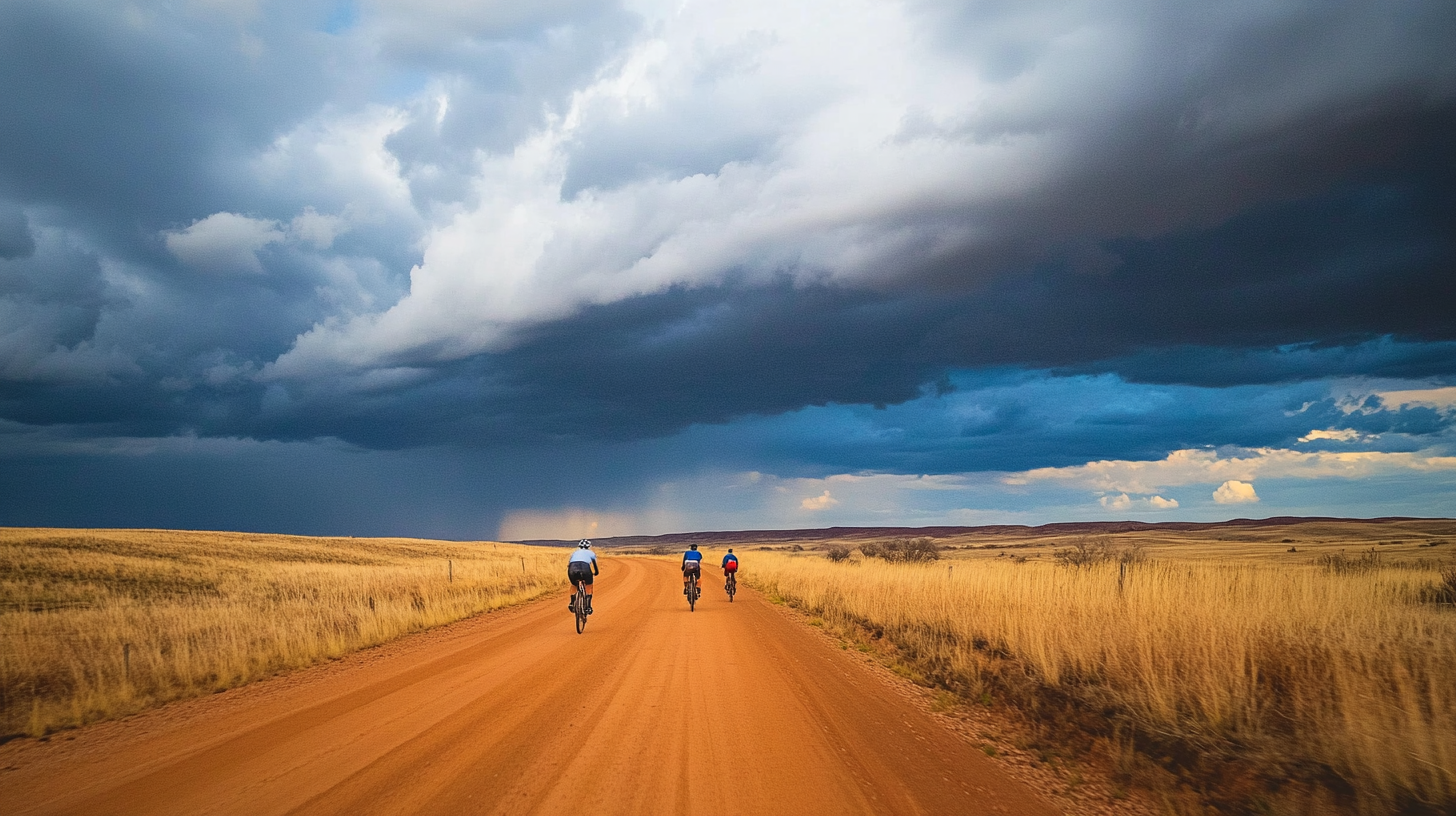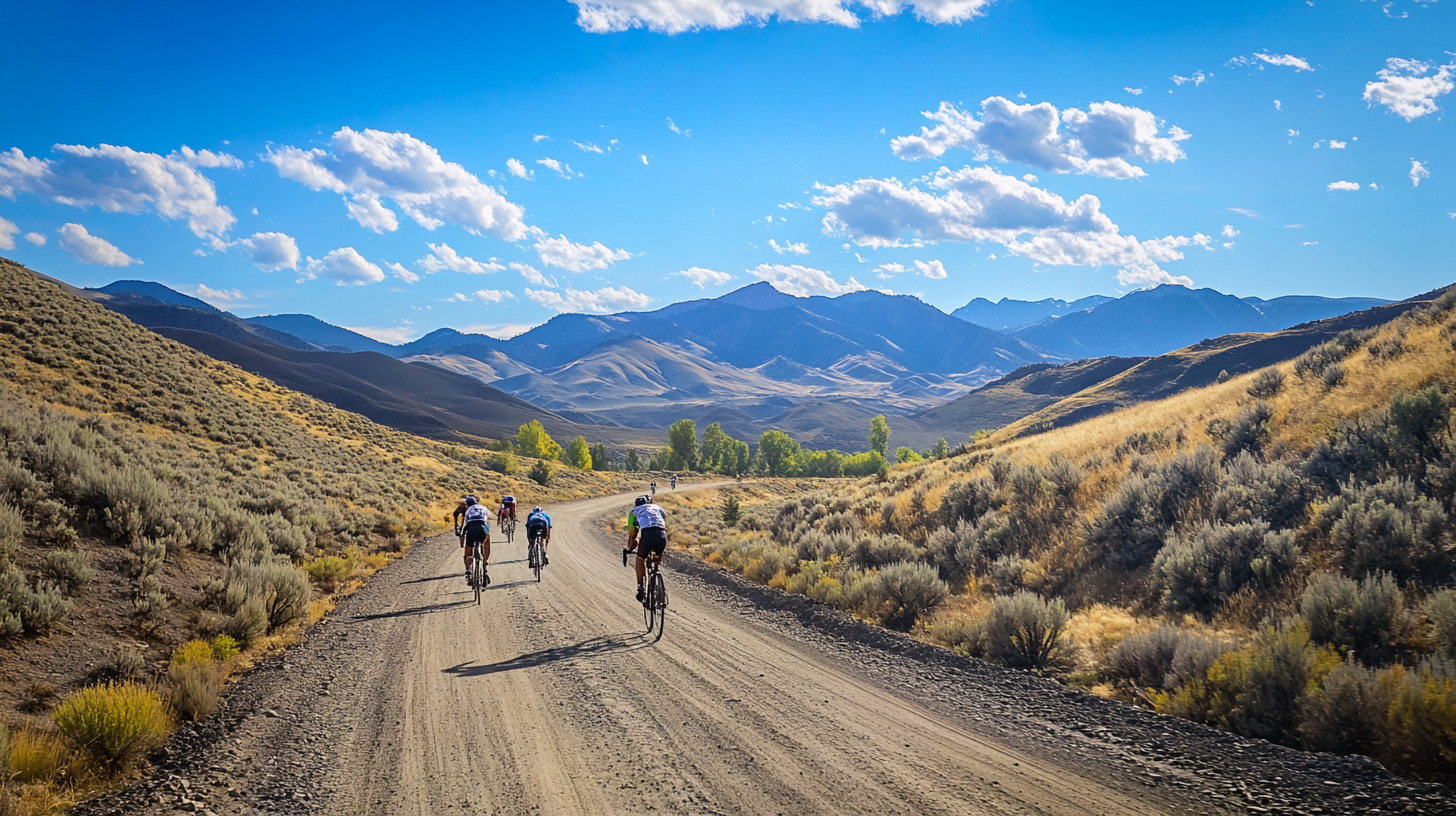
Lachlan Morton doesn't race like anyone else. While the gravel field has professionalized — scientific training, race radios, highly structured team strategies — Morton has carved out a singular approach to cycling that prioritizes experience over results, adventure over optimization, and deep human endurance over peak athletic performance. He's also, when he chooses to compete, genuinely fast. Here's the story of how Lachlan Morton became gravel racing's most interesting athlete.
The Road Background
Morton grew up in Australia and came through the road cycling development system as a promising climber and time trial specialist. He turned professional with Garmin-Sharp (now EF Education-EasyPost) as a road cyclist — racing Grand Tours, classics, and stage races at the highest level. His road career was solid but not explosive; he was a domestique and a good stage hunter rather than a Grand Tour contender.
What set Morton apart from most road professionals was his restlessness with the conventional road cycling world. The increasingly corporate, tactical, controlled nature of professional road racing left him feeling disconnected from the reason he started cycling in the first place. The transition toward adventure-focused events and ultimately gravel racing was, for Morton, a return to what cycling was actually about.
The Alt Tour and Epic Challenges
Morton's "Alt Tour" project — riding the Tour de France route unsupported while the pro peloton was racing it — became one of the most-watched cycling stories of recent years. He completed the 3,500km route in 11 days and 9 hours without a team, without SAG support, and without the resource advantages that professional Tour riders rely on. The project was documented by EF Education and reached audiences far beyond the traditional cycling community.
The Alt Tour cemented Morton's identity as cycling's great adventurer — someone who uses the bike as a vehicle for pushing the limits of human capability in ways that feel authentic and relatable rather than purely competitive. His subsequent challenges — crossing continents, setting obscure records, participating in ultra-endurance events — have all been executed with the same philosophy: go as hard as possible for as long as possible on a bicycle, in places that matter.
Morton's Gravel Racing Philosophy
When Morton races gravel events, he approaches them differently from most professional athletes. His training is unconventional — enormous volume, minimal structure, a bias toward long adventures over interval work. He doesn't optimize for any single event; he trains for sustained capability across wildly different challenges. This approach means he sometimes arrives at gravel races undertrained for the specific demands of the event, and sometimes arrives with fitness that makes him nearly unbeatable.
His results at major gravel events reflect this inconsistency. He's capable of podium performances at Unbound and other marquee events, but he's also willing to race in a way that prioritizes the experience over the result — stopping to help other riders, exploring side roads, making decisions no purely results-focused athlete would make. This approach has made him beloved by the gravel community in a way that pure race results never could.
What He Rides
Morton races and trains on Cannondale equipment through his EF Education-EasyPost team relationship. His preferred gravel setup is the Cannondale Topstone in its lightest carbon configuration, typically running wider tires (45–50mm) for comfort and reliability on adventure rides. His bikepacking setup for long unsupported challenges uses a mix of frame bags, handlebar bags, and a stripped-down kit philosophy — he believes most cyclists carry more than they need, and his ultra-distance results are partial evidence for that view.
Why Morton Matters for Gravel Racing
In a sport that's rapidly professionalizing, Lachlan Morton represents the soul of what gravel riding started as: a rejection of over-optimized, overly controlled cycling in favor of genuine adventure and human endurance. His influence on the sport extends beyond his race results — the Alt Tour and similar projects have introduced gravel cycling to mainstream audiences who would never watch a traditional race. He's as responsible as any single athlete for making gravel culturally visible.
For the 2026 gravel season, follow Morton's schedule through EF Education's channels. To see the full professional and amateur racing calendar, check our race calendar. And for more on the athletes defining the sport, visit thegravelriders.com/start-here/.
Follow the 2026 gravel season — every major event on one calendar. → See the Race Calendar