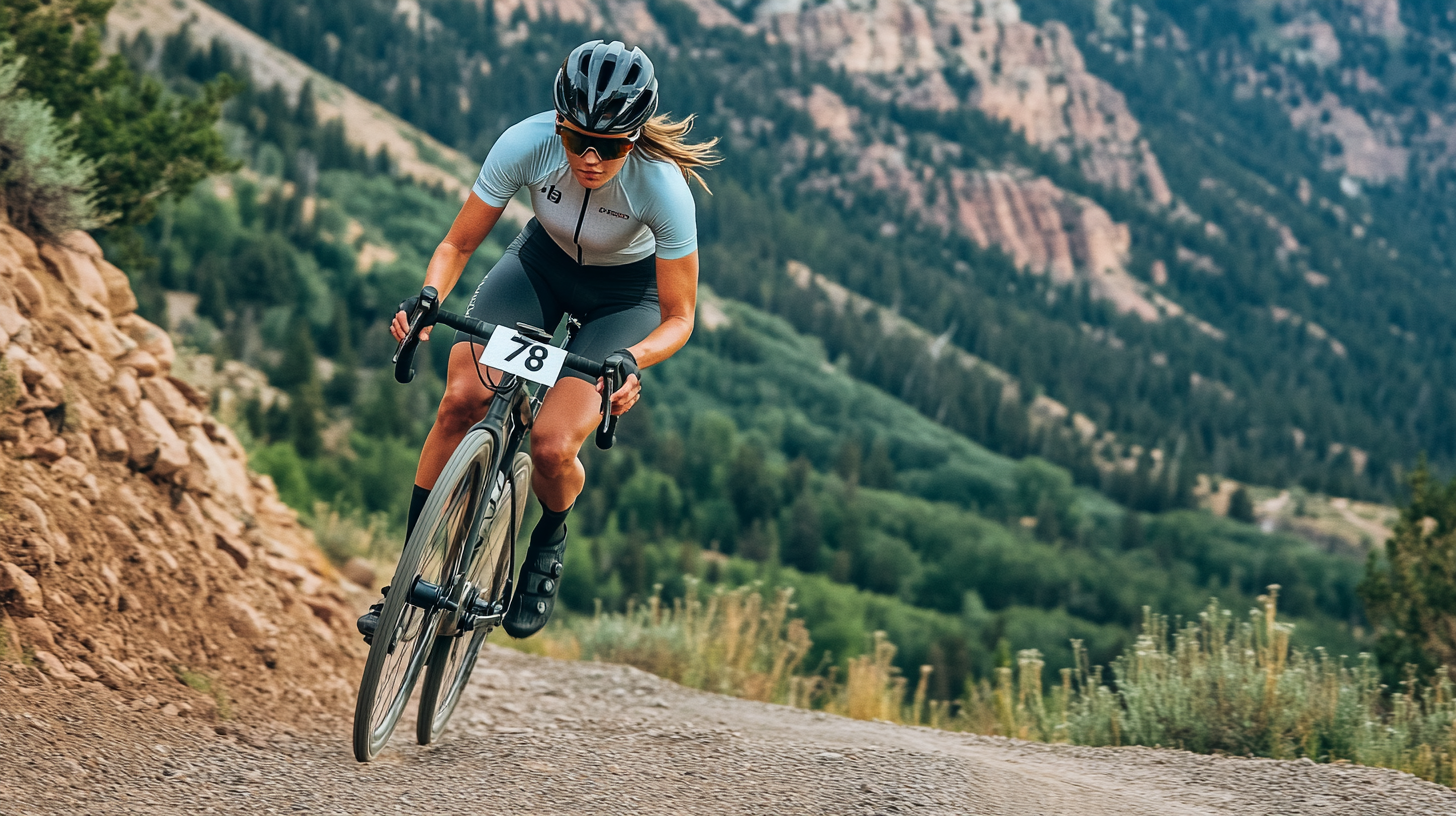
Keegan Swenson is the most complete gravel racer in the United States. In a sport that rewards power-to-weight athletes who can climb, descend, and sustain effort for 10+ hours, Swenson checks every box. His results over the Life Time Grand Prix series — including victories at Unbound Gravel, SBT GRVL, and Leadville — tell the story of an athlete who has found his perfect discipline. Here’s the story of how he got here.
From Ski Racing to Gravel Dominance
Keegan Swenson grew up as a ski racer and Nordic skier in Utah, which explains his exceptional aerobic capacity and his ease with technical terrain. He made the transition to competitive cycling through cross-country mountain biking — a discipline that translated directly to the demands of modern gravel racing: sustained power output, technical descending, and the mental fortitude to keep pushing when the body is screaming to stop.
His mountain bike career included multiple top results on the US XC circuit before he began shifting focus to gravel. The transition wasn’t just practical — it was philosophical. Gravel racing offered something XC didn’t: events long enough to reward all-day endurance and tactical racing rather than pure sprint power. Swenson’s ability to manage 200-mile efforts at a high average intensity is what separates him from almost everyone else in the field.
How Keegan Swenson Trains
Swenson’s training philosophy is built on volume and specificity. He regularly logs 20+ hours per week in the build phase before major events, combining road miles with mountain bike training and trail running in the off-season. The multi-discipline background isn’t accidental — it builds the kind of base fitness and muscular resilience that holds up over 12 hours of racing on rough terrain.
His altitude advantage is real. Based in Utah and training regularly in the mountains, Swenson arrives at altitude events like SBT GRVL and Leadville fully adapted. His threshold power at 8,000 feet doesn’t drop the way it does for sea-level riders — which is why he’s so dominant at the mountainous events on the Grand Prix circuit.
Key training characteristics observers have noted: he favors long, sustained efforts over punchy interval work (matching the demands of gravel racing), he incorporates significant technical mountain bike riding to maintain bike-handling skills, and he manages his recovery aggressively — strategic rest weeks and conservative early-season buildup are consistent features of his approach.
What Keegan Swenson Rides
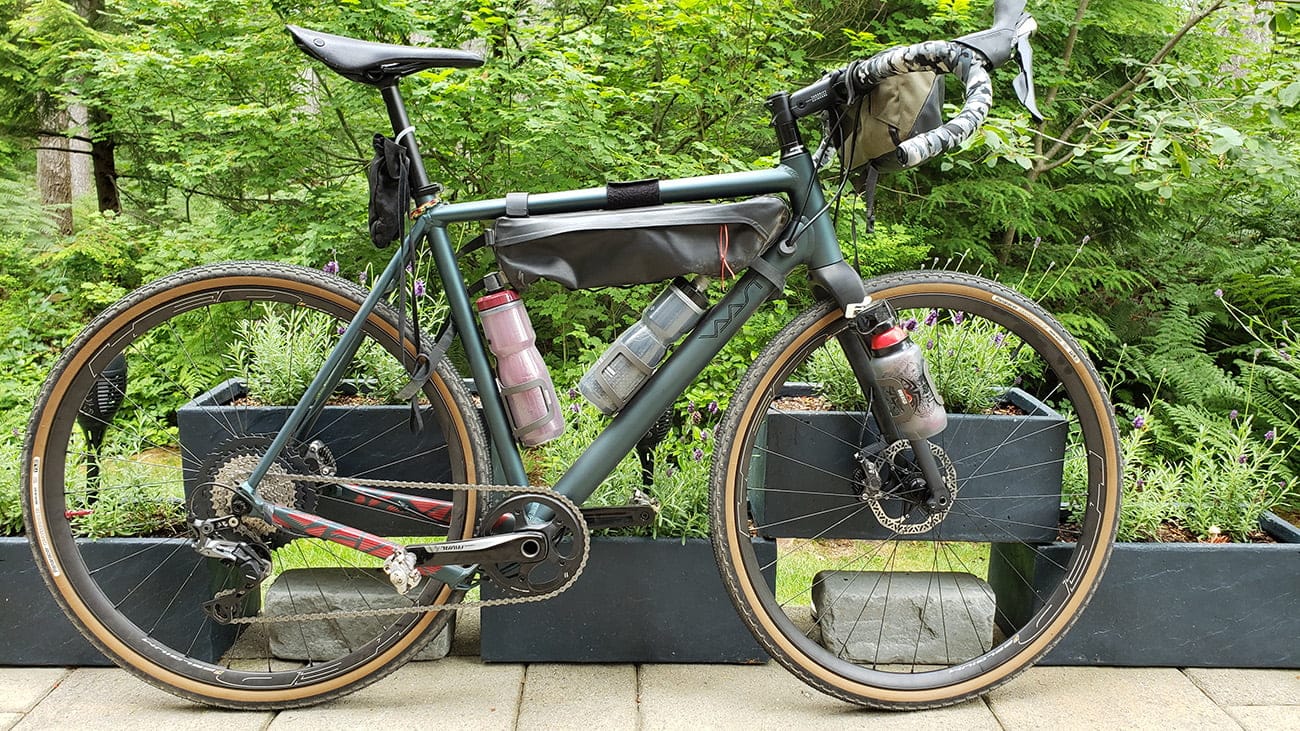
Swenson races for Santa Cruz and uses the Santa Cruz Stigmata for gravel — a carbon race bike known for its climbing efficiency and descending stability. He runs a SRAM Red AXS drivetrain with a single chainring setup, and his tire selection varies by event: file tread 40mm tires for fast hard-pack events, moving up to 44–46mm with more grip for Unbound and other muddy or technical venues.
His cockpit setup is notably aggressive compared to many gravel riders — shorter stem, dropped bar position, and flared drops for descending control. This setup rewards his mountain bike background and allows him to push hard on technical downhill sections where many pure-road cyclists struggle.
Race Tactics: How Swenson Races
Watch Swenson’s race footage and you’ll notice a consistent pattern: conservative in the first half, methodical about nutrition and pacing, aggressive in the back half when others are fading. He rarely attacks early in races — preferring to let the pace and terrain do the selection work — but when he does move, he moves decisively. His ability to sustain race pace in the final quarter of a 200-mile event is supernatural.
His defining performances at Unbound and SBT GRVL follow a blueprint: after the race comes down to a small group in the final 30 miles, Swenson gradually increases the pace on rolling terrain rather than launching a single hard attack. Most competitors crack in the last 20 miles — a pattern he’s repeated across multiple Grand Prix seasons. He wins by managing his effort so precisely that he has something left when everyone else has given everything. Heading into the 2026 Grand Prix calendar, he enters as the defending standard-bearer of the mountainous and ultra-distance events.
Why Swenson’s Career Matters for Gravel Racing
The emergence of athletes like Keegan Swenson is redefining what it means to be a professional cyclist. A decade ago, gravel racing was an afterthought for road pros looking for an offseason hobby. Today, the best athletes in the sport are dedicating full professional careers to it — building training programs, sponsor relationships, and career arcs entirely around gravel racing.
Swenson’s success is also raising the bar for training methodology in the sport. His emphasis on volume, altitude adaptation, and multi-discipline cross-training is being adopted by developing gravel athletes who want to compete at the highest level. The sport is getting faster — and Swenson is a big part of why.
Watch Swenson Race in 2026
Swenson will be a name to watch across the 2026 Life Time Grand Prix calendar. Whether you want to follow the pro race from the sidelines or put yourself in the same event, the full 2026 race calendar is a great place to start. For everything else gravel, check our start here guide.
Follow the 2026 gravel season — all major events, dates, and pro field announcements. → View the Race Calendar