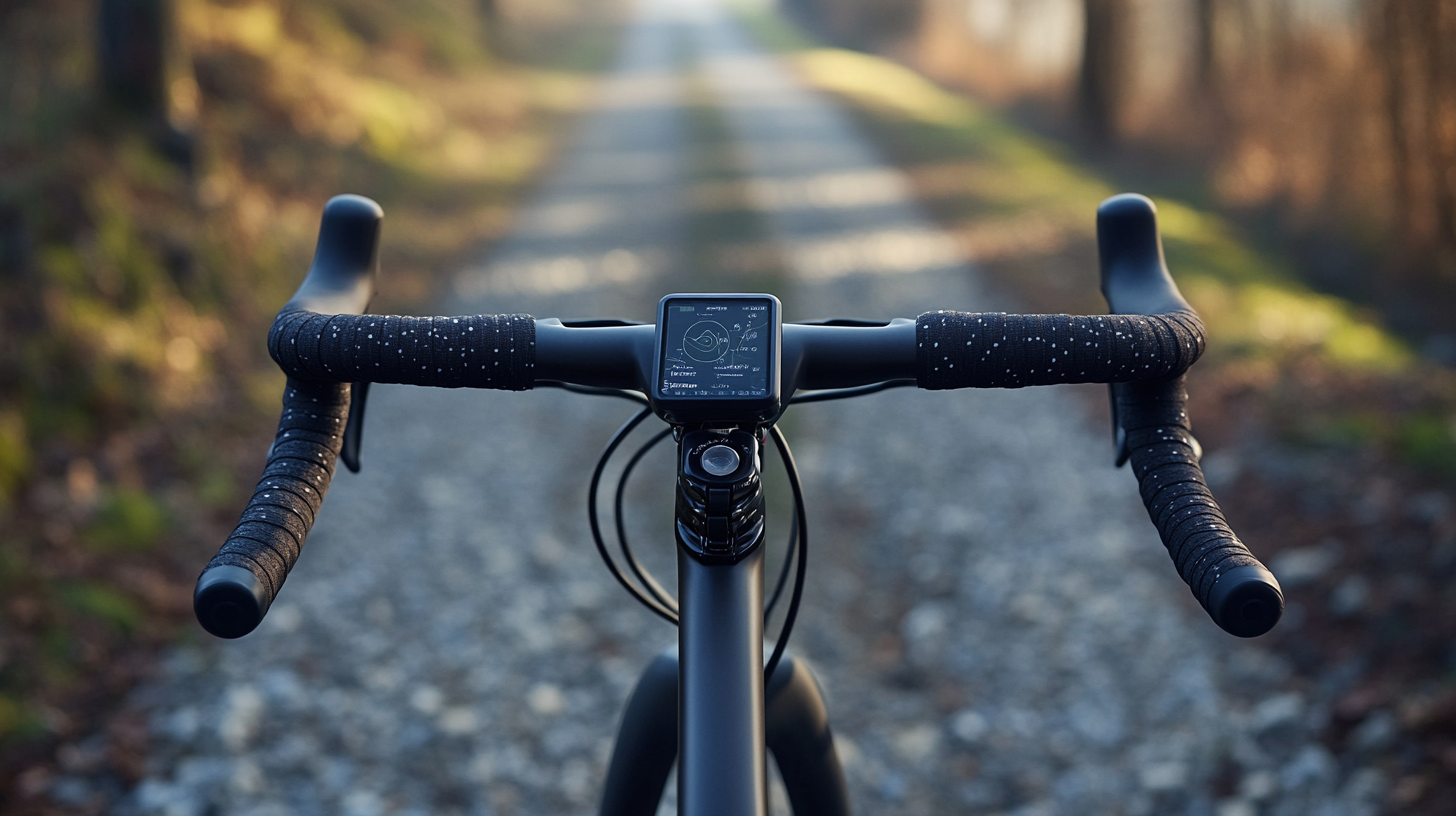
Your handlebars are the most-touched part of your gravel bike — you’re gripping them for 6, 8, 10 hours at a stretch, and the shape and width of your bars affects everything from comfort to control to power transfer. The best gravel handlebars of 2026 have evolved significantly from road cycling roots, and choosing the right set can transform a miserable long day into an actually enjoyable one.
Why Gravel Handlebars Are Different
Traditional road drop bars optimize for aerodynamics and power transfer in a narrow, aggressive position. Gravel bars make a different trade: wider overall width for stability, flared drops (the lower section angles outward) for improved control on rough terrain, and often more backsweep in the tops for a more comfortable riding position over long distances. These changes are significant enough that most gravel riders find road bars uncomfortable and imprecise on dirt.
The flare angle is the most important spec to understand. Bars are measured in degrees of drop flare — most gravel bars range from 8° to 20°. More flare means more control on technical descents and better leverage for cornering, but also a wider hand position in the drops that not all riders find comfortable. The trend in 2026 is toward moderate flare (12°–16°) that balances control and comfort.
How Wide Should Your Gravel Bars Be?
Gravel bar width is measured at the tops (the straight section near the stem). Standard road bars are 40–42cm; gravel bars typically run 42–46cm at the tops. With 10–16° of flare, the actual drop width is 6–8cm wider than the top measurement. A 44cm bar with 16° of flare has drops that are effectively 50–52cm wide — giving a much more stable descending position.
The right width depends on your shoulder width, your riding style, and your terrain. Wider bars provide more leverage and stability on rough technical terrain; narrower bars are more aerodynamic and easier to manage in a group. A common starting point: shoulder width in cm +2cm. Most riders end up between 42–46cm at the tops.
Best Gravel Handlebars 2026: Top Picks
Zipp SL-70 Ergo — The SL-70 has become the benchmark for carbon gravel bars. The ergo shape gives a broader, flatter top section for a comfortable riding position during long efforts, and 16° of flare delivers real descending control. Available in 44 and 46cm. Light (around 200g), stiff where it matters, and the internal cable routing accommodates any modern gravel drivetrain. At around $200–$250, it’s the best-value premium carbon option.
Ritchey WCS Beacon — Ritchey’s Beacon is the choice of many bikepacking and adventure gravel riders because it includes integrated mounts for a front bag and accessories. The alloy construction is durable and slightly more forgiving than carbon on extremely rough terrain. 16° flare, shallow drop profile, and a comfortable top section. Around $120–$140.
Enve G Series — If budget isn’t a constraint, the Enve G Series is the finest production gravel bar made. The carbon layup is optimized for vibration damping without losing lateral stiffness. 10° flare keeps things on the conservative side, making it a better choice for fast racing than technical endurance riding. Around $350+. Worth it for a long-term race build.
PNW Components Rainier — The PNW Rainier is the best budget option at around $90–$110. Alloy construction, 12° flare, available in multiple widths. Heavier than carbon alternatives but genuinely capable and a great choice for a first gravel build or a bike that’s going to get rough treatment.
Drop Depth and Reach: The Fit Variables
Beyond width and flare, handlebar shape is defined by reach (how far forward the drops extend from the center of the bar) and drop (how far the drops fall below the tops). Compact bars (short reach, shallow drop) suit riders with shorter torsos or those who struggle to reach the drops comfortably. Standard bars work for most riders and give access to a wider range of hand positions. Check your current bar spec before switching — going from a 125mm reach/125mm drop road bar to a 70mm reach/125mm drop compact gravel bar will change your fit significantly.
Carbon vs. Alloy for Gravel
For handlebars specifically, the carbon vs. alloy debate is more nuanced than for frames. Carbon bars can be engineered to dampen vibration in a way alloy can’t — and over 8 hours of rough terrain, that matters. The weight difference is meaningful too (200g carbon vs. 350g alloy is 150g of weight in the most sensitive location). But alloy is more damage-tolerant: a crash that cracks a carbon bar usually just bends an alloy one. For racing and performance riding, carbon. For adventure riding and bikepacking where durability matters, alloy is a smart choice.
Ready to put your new setup to the test? See our guide to choosing your first gravel bike for a complete component overview, or check the race calendar to find an event to aim for.
New to gravel? Our start here guide covers gear, training, and finding your first race. → Start Here