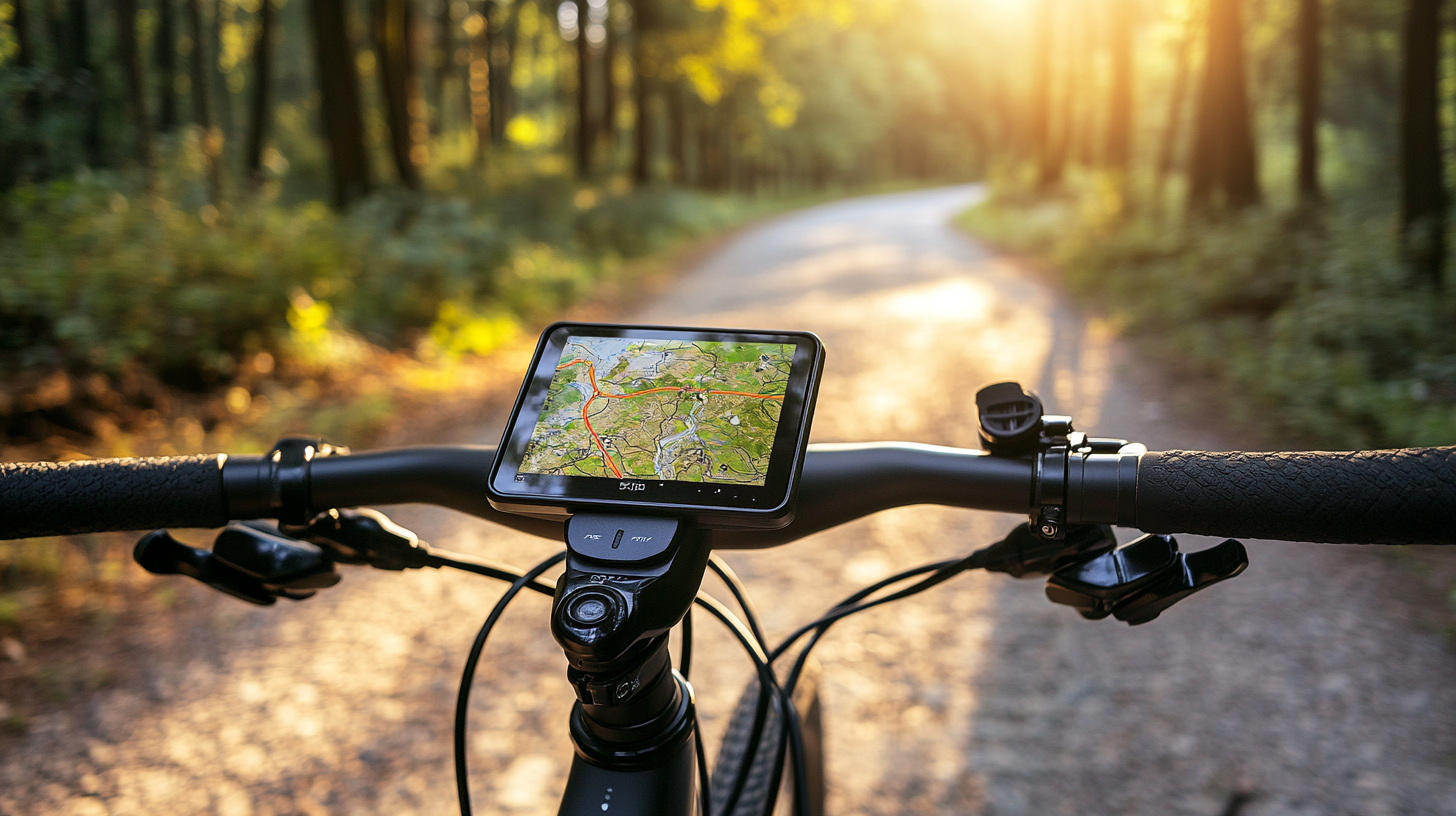
Your GPS computer is the nerve center of your gravel bike — navigation, performance data, training load, route tracking, and race timing all run through one device that you’re trusting to work for 10+ hours in mud, rain, and dust. The best gravel bike computers of 2026 have become more capable, more reliable, and — in some cases — more affordable than ever. Here’s what to buy and why.
What to Look for in a Gravel GPS Computer
The essential criteria for a gravel-specific GPS: battery life (minimum 12 hours, 15+ preferred for long events), screen readability in direct sunlight, robust navigation with offline maps, and a durable housing that survives sustained vibration and weather. Secondary considerations: smart trainer integration for indoor training, ANT+/Bluetooth sensor compatibility, and ecosystem integration with your training platform (TrainingPeaks, Strava, Wahoo X, etc.).
For gravel specifically, navigation is the feature that separates the good from the excellent. You’ll often be on roads that aren’t well-mapped, in areas with intermittent cell service, using routes that need to be followed precisely. A device that loads full color topographic maps and can re-route in real-time when you miss a turn is significantly more useful than one that shows turn-by-turn prompts on a simplified base map.
Garmin Edge 1050: The Full-Featured Option
The Garmin Edge 1050 is the most capable GPS cycling computer on the market. A large 3.5-inch touchscreen displays full-color TopoActive maps with excellent outdoor readability. Battery life reaches 24 hours in standard mode, 100 hours in battery-saver mode (no GPS). Integration with Garmin Connect, TrainingPeaks, and Strava is seamless. The ClimbPro feature provides detailed upcoming climb profiles — useful for pacing on unknown routes. At around $650, it’s expensive, but it’s the last GPS computer most riders will ever need to buy.
Garmin’s ecosystem advantages: extensive third-party app support, the largest library of downloadable routes (Garmin Connect’s route discovery is genuinely useful), and the best satellite connectivity of any cycling GPS (multi-GNSS with GPS, GLONASS, and Galileo). If you’re doing any riding in remote terrain where signal matters, Garmin’s track record is hard to argue with.
Wahoo ELEMNT ROAM 2: The Clean Interface Option
Wahoo’s ELEMNT ROAM 2 is the most user-friendly GPS computer available. The interface is clean and intuitive — significantly easier to navigate mid-ride than any Garmin device. Battery life hits 17 hours, the automatic backlight works well in variable conditions, and the LED status indicators on the edges of the unit are a genuinely useful feature for at-a-glance status checks. Route following and turn-by-turn navigation are excellent. At around $380, it’s meaningfully cheaper than the Garmin 1050.
Wahoo’s main limitation vs. Garmin: fewer third-party apps, a smaller map library for offline navigation, and less granular sensor data for advanced training analysis. For most gravel riders who want a reliable navigation and training device without complexity, the ROAM 2 is the recommendation.
Hammerhead Karoo 3: The Training Platform Option
The Hammerhead Karoo 3 is the GPS computer of choice for structured training-focused riders. Its integration with TrainingPeaks and Today’s Plan is the best in the category — it displays planned workout steps directly on the screen, alerts you when you’re out of your target zones, and logs training load data in a way that’s immediately useful in TrainingPeaks. Battery life is around 12 hours standard, which is the shortest of the three options here but adequate for most events. At around $430, it’s mid-range on price.
Budget Option: Garmin Edge 540
If the flagship units are out of budget, the Garmin Edge 540 at around $299 provides excellent navigation and core training data in a smaller, lighter package. Battery life of 26 hours in GPS mode is exceptional. The screen is smaller and less readable in direct sunlight than the 1050, but the core functionality is nearly identical. For a first serious GPS computer for gravel racing, the Edge 540 is the best value on the market.
Speed and Cadence Sensors
GPS-based speed is accurate enough for most riding, but a dedicated speed sensor becomes useful in tunnels, heavy tree cover, or any situation where GPS signal is intermittent. Cadence sensors are useful for pacing and technique work. Both Garmin and Wahoo offer compact ANT+/Bluetooth sensors that pair with any of the computers above. At $30–$50 each, they’re an inexpensive addition to a serious training setup.
For more gravel gear recommendations, see our best gravel bikes guide. Ready to put your setup to the test? See the full race calendar for events near you.
Find your next gravel race — the full 2026 calendar with distances and entry links. → Browse the Race Calendar