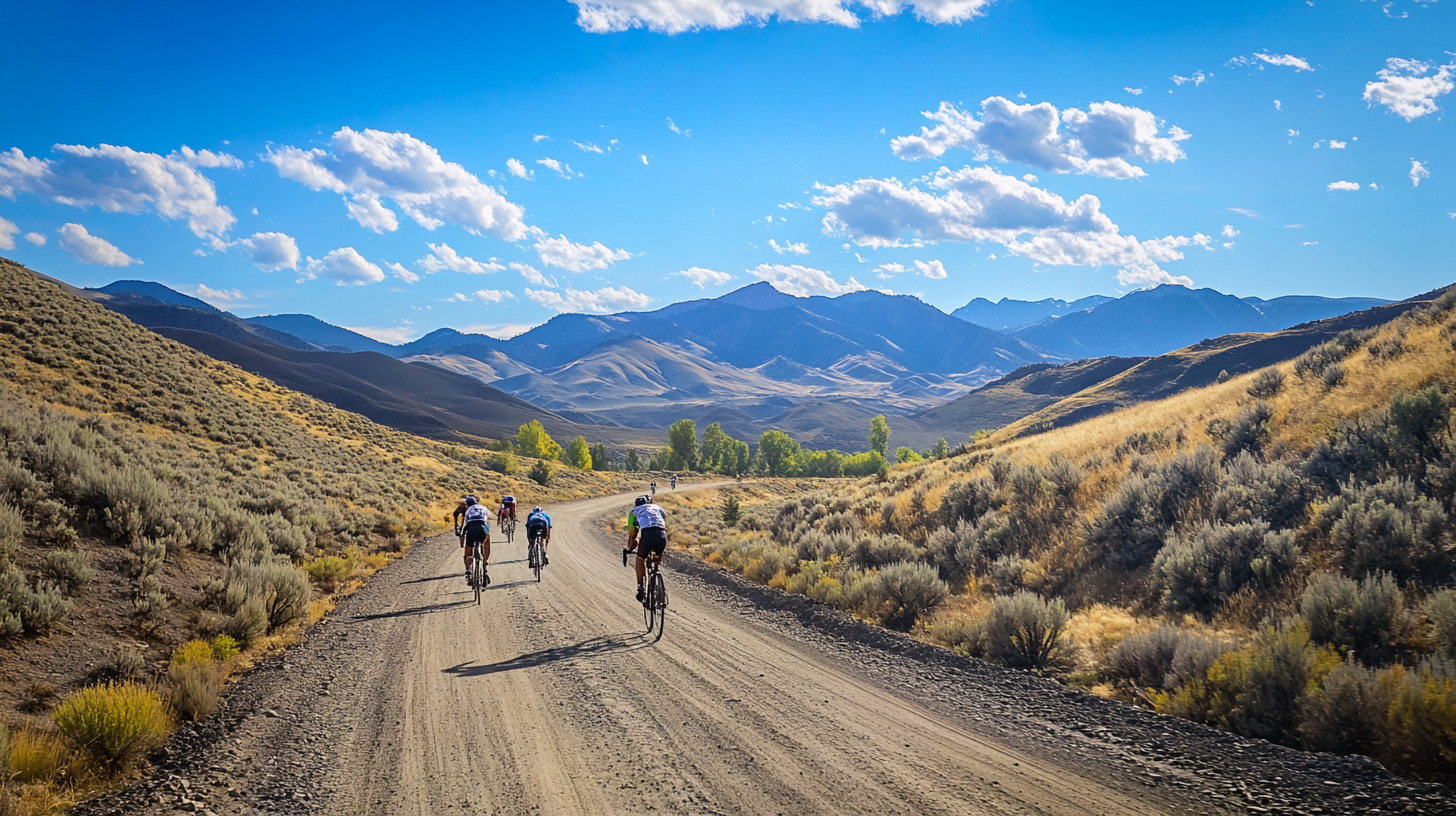
The Mid South Gravel Race is one of the most beloved events on the American gravel calendar — and one of the most underrated. Set in Stillwater, Oklahoma in early spring, it's the first major gravel event of the season, it draws a world-class professional field, and it consistently delivers dramatic racing across Oklahoma's red-clay dirt roads. Here's everything you need to know about Mid South Gravel 2026.
What Is Mid South?
Mid South was founded by Bobby Wintle and has run since 2012 — making it one of the longest-running gravel events in the country. It's held in early March in Stillwater, Oklahoma, which means riders deal with whatever the southern Great Plains delivers in early spring: mud, cold, potential ice, and occasionally perfect blue skies. The unpredictability is part of the event's character. Mid South is the race that starts every gravel season, and the conditions it throws at riders are often a rude awakening after indoor training season.
The primary distance is 100 miles, with a 45-mile option for newer gravel riders. The course uses a mix of red-clay dirt roads, gravel, and some paved sections — Oklahoma's road network is more varied than the flat Kansas terrain of Unbound, with enough rolling terrain to create meaningful race dynamics. The red clay after rain is notoriously sticky, earning Mid South its reputation as a coin-toss weather event.
Mid South 2026: Dates and Registration
Mid South Gravel 2026 is scheduled for early March in Stillwater, Oklahoma. It's now a Life Time Grand Prix event, which brings a deeper professional field and earlier registration pressure. Registration typically opens in the fall and sells out the 100-mile distance within hours. The 45-mile event has more flexibility. Entry fees run approximately $150–$200. Check the race calendar for exact dates and the registration link when it opens.
The Course and Why It's Hard
Mid South's 100-mile course uses a figure-8 loop that starts and finishes in downtown Stillwater. The first 50 miles tend to be faster — riders are fresh, the group is large, and cooperative pace-making is possible. The back 50 miles typically feature more selection as the race heats up and the groups fragment.
The defining challenge is the road surface in wet conditions. Oklahoma red clay is one of the most treacherous surfaces in gravel racing when wet — it packs into thick clumps on tires and eventually makes the bike unrideable. In a bad mud year, riders can lose 30–60 minutes to mechanical stops to clean their drivetrain. Many competitors bring a pressure washer to neutral support zones. Tire selection for potential mud is critical.
Athletes to Watch at Mid South 2026
As a Grand Prix opener, Mid South consistently draws full pro fields. Watch for riders who peak early-season and have a proven ability to race well in adverse conditions — mud experience from cyclocross and mountain biking backgrounds often translates directly to Mid South performance. The women's field has historically been extremely competitive, with the race often decided in the final 20 miles when the mud has done its selection work.
How to Prepare for Mid South
Training for Mid South means building fitness through January and February for an early March race — which means a significant portion of your preparation happens indoors. Focus on base volume and one quality session per week through January; add intensity in February. Arrive in Oklahoma fit and fresh, not overtrained. The early-season race calendar rarely rewards riders who've been hammering hard since November.
Gear specifically for Mid South: a second set of wheels with aggressive tires (Schwalbe G-One Ultrabite or similar) for potential mud, a frame bag with extra food (the mud can slow aid station access), and a drivetrain cleaning kit for neutral support stops. A spare chain is worth carrying if the forecast looks bad — red clay can destroy a chain in a single muddy race day.
For the full 2026 gravel race calendar including Mid South and all other major events, see our race calendar. For training guidance heading into early-season events, check our 12-week gravel training plan.
See the full 2026 gravel race calendar — distances, dates, and registration links. → Full Race Calendar